

Ever accidentally triggered the SOS feature on your iPhone? It’s like setting off a fire alarm in a library—everyone stares, and you just want to disappear! While this emergency feature can be a lifesaver, it can also be a source of unexpected chaos when it activates at the most inconvenient times.
Fortunately, turning off the SOS function is easier than finding a parking spot in a crowded lot. With just a few simple steps, you can regain control and keep your phone from sending out distress signals when you’re simply trying to scroll through cat memes. Let’s dive into the quick and painless process of silencing that SOS and restoring your phone to its peaceful state.
Understanding SOS Feature on iPhone
The SOS feature on iPhone provides users with a means to quickly contact emergency services. Activating this feature may occur unintentionally, especially during routine tasks. Users often find themselves in distressing situations when the device sends alerts to contacts or authorities without provocation.
The SOS function allows users to call for help when in danger, aiming to enhance safety and connectivity. Depending on the model, it can be activated through volume buttons or the side button. This instant capability serves a critical role in emergencies where every second counts.
Although useful, the function can disrupt regular activities. For instance, accidental activations may occur during physical activities or even while handling the phone casually. Its unintended alerts can confuse contacts and potentially divert emergency resources.
Disabling the SOS feature allows users to minimize such interruptions. Users can take control by navigating through their phone’s settings. Each iPhone model varies slightly, but the steps to disable SOS remain consistent across versions.
Following the appropriate steps will enable users to prevent accidental configurations while ensuring access to the SOS feature in genuine emergencies. Understanding how it functions promotes responsible usage and enhances user experience.
How to Turn Off SOS on iPhone
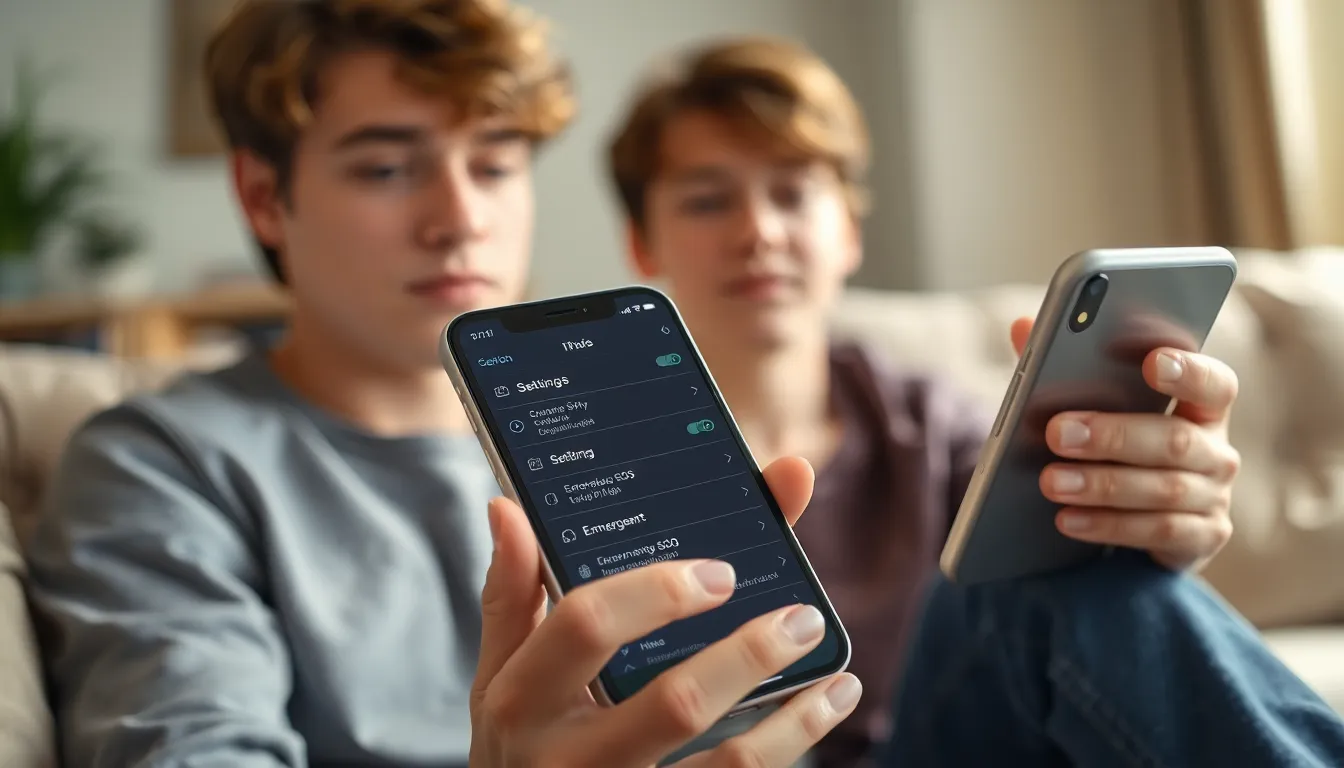
Disabling the SOS feature on an iPhone is simple. Users can achieve this through the Settings app or by adjusting the side button functionality.
Using Settings
Accessing the Settings app provides an effective method to turn off SOS. First, open Settings from the home screen. Next, select Emergency SOS, typically found near the top of the menu. In this section, users see options related to automatic calls and SOS settings. Turning off the toggle next to “Call with Side Button” stops accidental SOS activations. Adjusting these settings helps prevent unintentional emergency calls, allowing for more comfort during everyday phone use.
Using the Side Button
Users can also manage SOS settings through the Side Button. First, locate the Side Button on the right side of the device. When pressed rapidly five times, it triggers the SOS feature. To prevent this, accessing the Emergency SOS settings is necessary. Disabling the “Call with Side Button” option ensures the Side Button won’t activate SOS unintentionally. This setup allows individuals to carry their phones without fearing accidental alerts or calls.
Troubleshooting Common Issues
Users might encounter difficulties when attempting to turn off the SOS feature on their iPhones. Identifying the exact cause can simplify the troubleshooting process and lead to effective solutions.
SOS Not Turning Off
Sometimes, the SOS feature doesn’t deactivate despite following the steps. Check that the “Call with Side Button” setting is toggled off in the Settings app under Emergency SOS. If that option remains activated, the Side Button continues to trigger SOS. It’s also crucial to ensure that no physical damage to the Side Button prevents proper functionality. Inspecting the button’s responsiveness might reveal underlying issues.
Device Restart
Restarting the device often resolves temporary glitches related to SOS settings. Users can easily restart their iPhones by pressing and holding the power button, then sliding to power off. Waiting a few seconds before turning the device back on refreshes the operating system. Once the iPhone restarts, attempt to turn off the SOS feature again. This simple action can fix minor software problems. If issues persist, considering a factory reset may be necessary, but always back up data beforehand.
Alternative Safety Features
Users can explore various alternative safety features on iPhones that enhance security without relying solely on the SOS function. One notable feature is the Medical ID, which provides critical health information during emergencies. By setting up Medical ID in the Health app, individuals can share medical conditions, allergies, and emergency contacts with first responders.
Apple’s Find My app offers another layer of safety. This tool allows users to locate lost devices or share their location with friends and family, providing peace of mind in unfamiliar areas. Individuals can enable location sharing within the app for added security.
Additionally, users can set up location-based alerts through the app. These alerts can notify family or friends when reaching specific locations or if they experience unusual movements. Setting up geofencing can bolster safety while traveling.
Two-factor authentication adds another safety layer for Apple ID. Enabling this feature significantly reduces the risk of account breaches. It requires a second form of verification when signing in from a new device, enhancing account security.
Screen Time settings can also help manage how individuals use their devices. By limiting access to specific apps or websites, users can promote healthier device habits while maintaining communication safety. Adjusting these settings can help create a balanced digital lifestyle.
Implementing these alternative safety features fosters a comprehensive safety network for iPhone users, minimizing the dependency on SOS alerts while ensuring they remain prepared for genuine emergencies.
Turning off the SOS feature on an iPhone can significantly reduce unwanted disruptions in daily life. By following the simple steps outlined in the article users can regain control over their device and ensure that the SOS function is only activated during genuine emergencies.
It’s essential to stay informed about the settings and features of the iPhone to maximize its functionality while minimizing interruptions. Users should also explore alternative safety features that enhance security without relying solely on SOS alerts.
Taking these proactive steps not only fosters a safer experience but also empowers users to navigate their devices with confidence.